
The Bookkeeping Act in brief: what 'digital bookkeeping' means for your company
The requirement for digital bookkeeping systems and digital storage of receipts applies to small companies too. Here is what it means in practice.
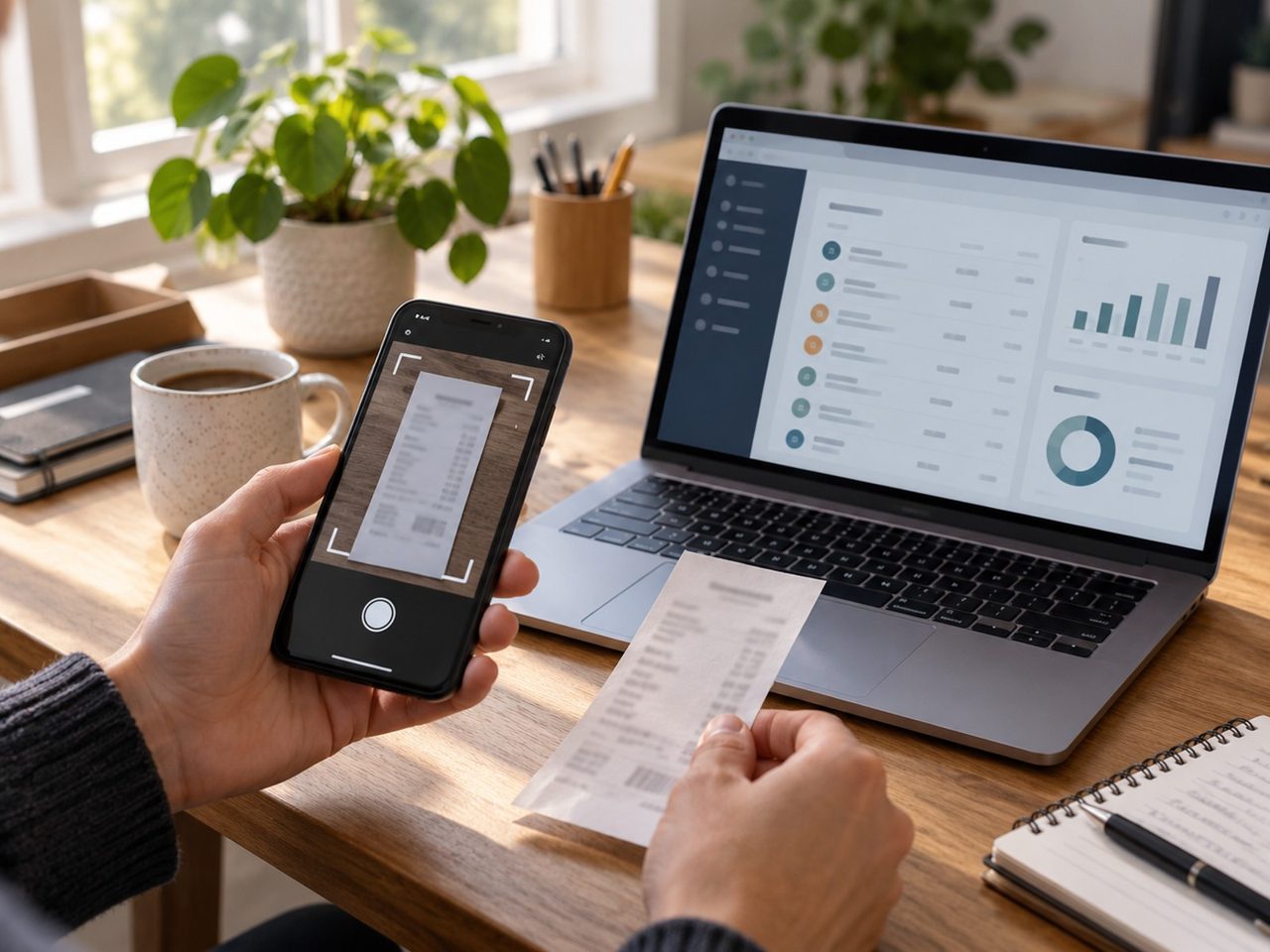
The new Danish Bookkeeping Act introduced a requirement for digital bookkeeping. The wording is technical; the requirements are not.
What the law requires
- That the books are kept in a digital bookkeeping system, either a registered standard system or a system that meets the requirements.
- That receipts are stored digitally together with the books, so an entry and its receipt can be found together.
- That a backup is taken, and that data is available throughout the retention period (five years).
- That the system can send and receive e-invoices in a standard format and support bank reconciliation.
Who it applies to
The requirements are phased in by company type and size; reporting classes B–D and companies with a bookkeeping obligation and turnover above the threshold are covered, and the smallest follow later. Wherever you fall: the direction is unambiguous, and a spreadsheet does not meet the requirement.
What it means on Tuesday
- Receipts are captured as photos or received as PDF/e-invoice and land in the system, not in a folder.
- Bank transactions are fetched and matched.
- The system keeps everything for five years, and you can find a receipt from the entry in two clicks.
It is no more than that. It is also no less.
What LegaSum does
LegaSum Accounting is built for the requirements: digital bookkeeping, receipts linked to entries, e-invoices in and out, bank reconciliation, backup and storage in the EU. We say what is live; what isn't is marked "being built", not ticked off.