
Business account, card and MobilePay: the right setup from day one
One account for operations, one for tax and VAT, one card, and a bank connection so the bookkeeping can keep up.
Why not just the private account?
Because the bookkeeping then has to separate business from private on every single transaction. That is the work that makes people give up in February. And because an ApS may not: the company's money is the company's.
The simple setup
- Operating account. Everything in, everything out. Customers pay here; suppliers are paid from here.
- Tax account (an ordinary savings account). Every time a customer pays, the VAT and a share for tax are transferred. Then the money is there when the deadline comes.
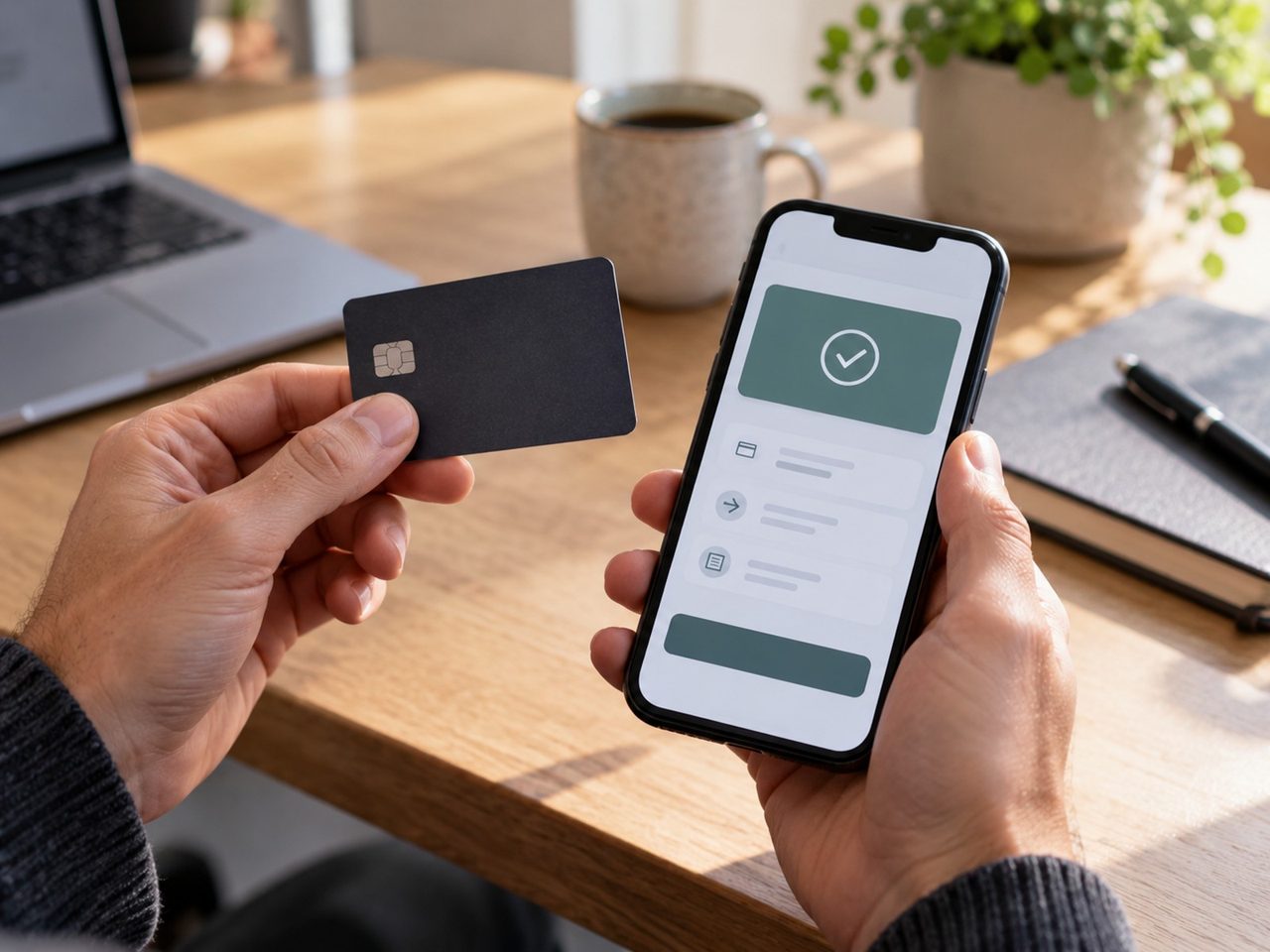
- One company card on the operating account. Every purchase with it. The receipt is captured with your phone the same second.
MobilePay and card terminal
If you sell to private customers, you need to accept payment where the customer is standing. MobilePay MyShop or a card terminal (there are good solutions without a lock-in period) pays for itself quickly. Remember: the fees are an expense to be booked, and the payout to your account is often a net amount. The bookkeeping needs to know the gross sale.
Bank connection
Several banks allow an accounting system to fetch transactions automatically. It is the difference between reconciling in ten minutes and in two hours. Ask the bank whether they support it before you choose them; it is a real criterion.
What LegaSum does
LegaSum connects to the banks and payment providers that allow it, fetches transactions and payments and matches them against invoices and receipts. Card fees and MobilePay payouts are split into gross, fee and net so the sale is recorded correctly. And the tax account? LegaSum shows what should be on it, so you can see whether it holds.